
How to Choose the Right Junior Soccer Club in Melbourne for Your Child
Choosing a junior soccer club for your child is a critical decision in their football journey. And for most parents, especially those not intimately familiar with the Melbourne footballing landscape, the options can feel overwhelming. There are community clubs in almost every suburb, NPL clubs with competitive pathways, development academies with slick marketing, and everything in between. How do you actually know which one is right?
I've coached across the Melbourne football landscape for years. I've coached and played inside NPL and community club environments, and I've helped families navigate this exact decision more times than I can count. What I've learned is that the things most parents focus on when choosing a club are often less important than they think, and the things that actually matter tend to get overlooked.
This post is the advice I give to the families I work with.
Key Takeaways
At younger ages, the coach matters more than the club. A great coach at a modest club will develop your child better than a disengaged coach at a prestigious one
Watch a training session before you commit. The club's website and social media will tell you what they want you to see. Training tells you what actually happens
Sometimes a player needs a change of scenery. If your child has improved but continues to be overlooked, a new club with fresh eyes can make all the difference
Trialling at multiple clubs gives you the chance to assess coaches, environments, and culture before making a commitment
I'm happy to help families evaluate clubs they're considering. I know the Melbourne football landscape well and can offer honest, independent advice
The Coach Matters More Than the Club Name
This is the most important point in this entire post: the quality of your child's coach will have a bigger impact on their development and their enjoyment of the game than any other factor. This applies at every age, but it's especially true at junior level where the coach is often the single biggest influence on whether a player progresses or stagnates, and whether they continue loving the game or start to lose interest.
A good junior coach creates an environment where players want to come back every week. They teach the game in a way that's appropriate for the age group. They manage playing time fairly. They communicate well with parents. They make players feel valued even when they make mistakes. They actually coach during training, with structure and purpose, rather than just rolling a ball out and letting the kids play.
The challenge is that coaching quality at community level varies enormously. Some community clubs have excellent, qualified coaches who genuinely care about development. Others rely on well-meaning parent volunteers who are doing their best but lack the knowledge to actually develop young players. Both types exist at every club, and the club's name or reputation alone won't tell you which one your child will get.
Generally speaking, the higher the level of competition, the better the coaching tends to be. Bigger clubs and NPL clubs attract more qualified coaches because those environments are more appealing to coach in. That's just the reality. But a coaching qualification doesn't guarantee someone is a good coach for young children, and an unqualified parent coach who genuinely understands kids can sometimes be more effective than a licensed coach who treats 8-year-olds like professionals.
The best way to assess the coaching is to watch a session before you sign up. Most clubs will let you attend a training session as a trial, particularly if you reach out in-season. When you're there, watch how the coach interacts with the players. Are they engaged? Are they coaching throughout the session or standing on the sideline on their phone? Do the kids look like they're learning and enjoying it? Is there structure to the session or does it feel disorganised? These observations will tell you more than anything on the club's website.
What to Actually Look For When Choosing a Soccer Club in Melbourne
Beyond coaching, there are several practical factors worth considering. Here's what I'd prioritise:
Development philosophy. Every club says they focus on development. The question is whether they actually do. At younger ages, a development-focused club prioritises skill building, rotates players through different positions, and gives everyone reasonable playing time. For players who are still finding their feet in the game, this kind of environment is exactly right.
That said, if your child is already excelling and clearly ahead of their peers, a pure participation model can actually hold them back. A talented player who is forced to play goalkeeper every third week and gets benched for fairness when they should be challenged and pushed is not getting what they need either. The right club for a strong player, even at a young age, is one that still keeps things enjoyable but also recognises ability and provides an environment where that ability is developed, not flattened for the sake of equality. This is a balance that good coaches and good clubs manage well.
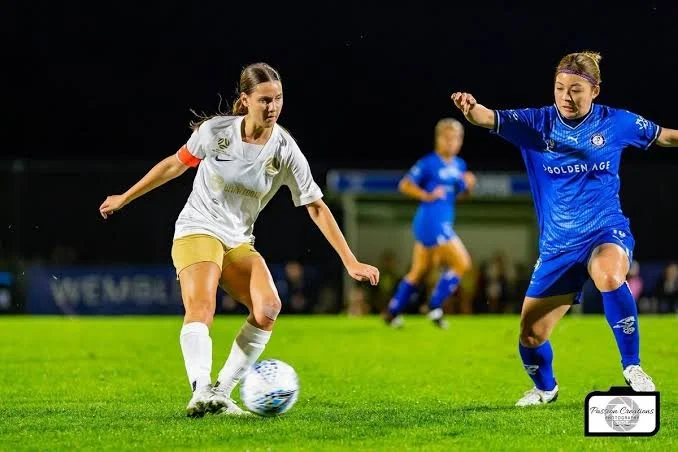
Training quality and frequency. How many sessions per week does the club offer for your child's age group? At younger ages (under 8), one or two sessions plus a game is plenty for most players. By under 12, two to three sessions is more appropriate. Check whether the sessions are structured and age-appropriate, and pay attention to the ratio of coaches to players. A session with 25 kids and one coach is going to deliver less individual development than one with 12 kids and two coaches.
The caveat here is that the right training volume depends on the player's aspirations and ability. A player who is serious about reaching the highest level and is already performing above their peers should be training more, supplementing club sessions with private coaching and individual work. I covered this in detail in my post on how often kids should be training. The club you choose should offer a training structure that matches what your child needs, and if it doesn't, private coaching can fill the gap.
Facilities and pitch quality. This matters more than some people realise. A club with well-maintained grass fields or a quality synthetic pitch provides a better training surface, which directly affects ball control development and reduces injury risk. Check whether the club has adequate lighting for winter training, whether the pitches drain well, and whether goals and equipment are in good condition. My guide to the best soccer fields in Melbourne covers many of the grounds that clubs train on and gives you a sense of what I value in a training surface.
Location and convenience. This sounds obvious but it's genuinely important, especially for younger players. A club that's a 40-minute drive each way means your child is spending more time in the car than on the pitch. Football should never feel like a burden at any age, and if training nights become a source of stress for the family, everyone's commitment starts to suffer. At younger ages especially, choose a club close to home. The reduced travel time means less fatigue, less disruption to school and family life, and a higher chance your child actually looks forward to training. For this to be sustainable long-term, everyone in the family needs to enjoy the ride. As players get older and more serious about the game, travelling further for a higher-quality program becomes more justified.
Cost. Community club fees in Melbourne typically range from $300 to $600 per season. NPL clubs range from $1,500 to $3,000+, before kits, travel, and extras. Make sure you understand the full cost before committing, including any additional levies, equipment requirements, and tournament fees. I covered this in more detail in my post on NPL vs community football.
Culture and environment. Spend some time around the club on a training night or game day. Talk to other parents. Get a feel for the atmosphere. Is it welcoming? Is it supportive? Do the parents seem engaged in a positive way, or is there a lot of sideline pressure and negativity? The culture around a club affects your child's experience just as much as what happens on the pitch. A toxic sideline culture can undo the best coaching in the world. I have seen and experienced this first-hand. No kid enjoys being screamed at by other parents on the sideline, and if the club tolerates that behaviour, I would move on.
When a Change of Scenery Is the Right Move
This is something I see regularly with the players I coach. A player improves significantly through private training, their technical ability is clearly at a higher level than when they started, but their club coach continues to treat them the same way. They're stuck in the same team, getting the same limited opportunities, because the coach has formed a fixed opinion of them based on how they were six or twelve months ago.
When this happens, I encourage the player and their family to trial at other clubs. Almost every time, the result is the same: a new coach with fresh eyes sees the player for what they are now, not what they were before, and they're immediately valued. They make higher teams, get more game time and, as a result, their confidence goes through the roof.
This isn't about the original club being bad. It's simply that coaches, like all people, form opinions and those opinions can be hard to shift. Sometimes a player needs a new environment where they can be seen without preconceptions. If your child has genuinely improved and is still being overlooked, a change of club could be exactly what they need.
Use Trials to Your Advantage
Most clubs offer trials before the start of the new season. It is very rare that they don't, although some are invite-only and some may simply have full teams. I always encourage my players to trial at as many clubs as possible, even if they're happy where they are. Here's why:
Trials give you a chance to experience different coaching styles, different environments, and different levels of competition. You get to meet the coach, see how they run a session, and get a feel for whether it's the right fit for your child. Your child gets to experience what it feels like to train with different players, which builds confidence and resilience regardless of the outcome.
There's another reason I push trialling, and it's one most people don't think about: getting good at trials is a skill in itself. If your child wants to reach their potential, they will almost certainly have to trial for something at some point, whether that's an NPL club, a representative squad, an academy program, or something else entirely. Their performance on the day, or across a couple of sessions, will directly impact whether they get selected. Players who have trial experience feel much more at ease in that environment. They know what to expect. They're not thrown off by the unfamiliar faces, the nerves, or the pressure. And a comfortable player is a player who performs closer to their best. Players without that experience can underperform simply because the situation feels foreign, not because they lack the ability.
You can also do your own homework before a trial. Find out who the coach is. Look into their credentials and experience. Ask around. The Melbourne football community isn't that big, and most coaches have a reputation that's fairly well known if you ask the right people.
Even if your child doesn't end up moving clubs, the trial experience itself is valuable. As I discussed in my post on NPL vs community football, exposure to different environments helps players understand where they sit and what level they're capable of competing at.
A Note on Experience, Not Just Age
A common mistake is thinking about club choice purely in terms of age groups. In reality, a player's experience and ability level matters more than their age when it comes to choosing the right environment.
A 9-year-old who has been playing since they were 3 is already six years into their football journey. A player like this, if they're showing real ability, should probably be in an environment that challenges them and pushes their development, whether that's a strong community club with good coaching, a club with pre-NPL development pathways, or supplementing their club training with private coaching. Being content with a casual participation program when the player is ready for more can mean missed development time that's hard to get back.

On the other hand, a 9-year-old who has just started playing needs something completely different. For them, the priority is falling in love with the game, building confidence, and getting comfortable with the ball. A high-pressure, competitive environment would be the wrong fit at that stage.
So rather than asking "what's the right club for an under-10?", the better question is "what's the right club for my child, given where they are in their development?" A player who has been in the game for years and is already excelling needs a different environment to one who is just getting started, even if they're the same age.
By the time players are trialling for NPL (under 13 onwards), the club choice becomes genuinely important. The coaching, the training volume, the standard of opposition, and the pathway connections all matter. This is where doing your research, attending trials, and seeking advice from people who know the landscape can make a real difference.
As I covered in my post on how often kids should be training, the right amount of football depends on the player's stage of development. The club you choose should align with that. A club that demands four sessions a week from a player who has only been playing for a year is asking too much, regardless of how good the coaching is. A club that offers one session a week for a player who has been playing for six years and wants to reach NPL probably isn't offering enough.
If You're Unsure About Which Junior Soccer Club in Melbourne is Best For You, Ask
I know the Melbourne football landscape well. I've worked inside it, I coach players across dozens of clubs throughout the city, and I have a good understanding of what different clubs offer at different age levels. If you're trying to decide between clubs, or you want an honest opinion about a club your child is at or considering, feel free to reach out. I'm happy to share what I know and help you make an informed decision. Part of what I do goes beyond coaching on the pitch. I see myself as a mentor and advisor to the families I work with, and helping navigate these kinds of decisions is part of that.
I offer a free trial session so you can see what focused, individual development looks like alongside your child's club training. Get in touch to book yours, or visit cdprivatesoccercoaching.com.au to learn more.
Frequently Asked Questions
-
Start by watching a training session before you commit. The quality of the coach matters more than the club's name or reputation. Look for structured, engaging sessions where kids are developing and enjoying themselves. Consider the club's location, cost, facilities, and culture. If your child has specific development goals, choose a club whose environment matches their experience level and aspirations rather than just their age group.
-
Ask about the coaching philosophy, and the coach’s experience. Ask how playing time is distributed and whether players rotate through positions at younger ages. Find out how many sessions per week are offered and what the total season cost is, including kits, levies, and tournament fees. Ask whether you can attend a training session before committing. And if your child is already at a strong level, ask how the club challenges and develops their best players rather than just managing the group.
-
This depends on their experience and ability more than their age. A player who has been in the game for several years and is consistently ahead of their peers probably needs an environment that pushes them, whether that's a stronger community club, a club with pre-NPL pathways, or supplementing with private coaching. A player who is newer to the game benefits more from a supportive, participation-focused environment regardless of their age.
-
If your child has improved but continues to be overlooked by their coach, or if the coaching quality is poor, or if the sideline culture is toxic, a change may be the right move. Trial at other clubs and see how your child is received by coaches who don't have preconceived opinions. A fresh environment where your child is seen for what they can do right now can transform their confidence and development.
-
Community club fees typically range from $300 to $600 per season. NPL clubs range from $1,500 to $3,000+, before kits, equipment, and travel costs. Always ask for the full breakdown of costs before committing, as some clubs have additional levies, tournament fees, or uniform requirements that aren't included in the headline registration fee.
-
Absolutely. This is one of the most common reasons families start working with me. We focus on the specific technical and tactical skills that trials are looking for, build confidence, and make sure the player arrives prepared to show what they can do. I covered this in detail in my post on what scouts look for.